
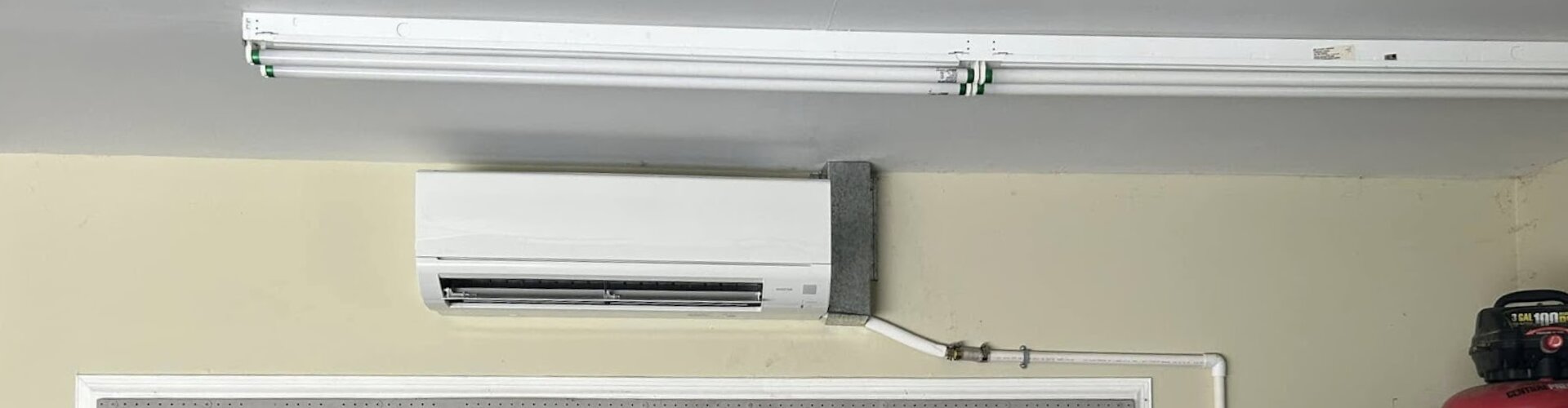
What this work looks like done right
Every house has the room: the office that bakes all afternoon, the nursery that never cools, the master at the end of the run that gets whatever air is left over. The thermostat in the hallway is satisfied, the system cycles off, and half the house lives in a different climate than the other half. That is an airflow distribution problem, and it has a measured fix.
Balancing starts with numbers: airflow read at every register, static pressure through the system, and the duct layout mapped for what it actually is. Then the air gets redistributed deliberately, dampers set, runs adjusted, returns corrected, and offending restrictions fixed, until the readings match the rooms’ needs instead of the ductwork’s habits.
Sometimes balancing reveals the deeper issue: a starved return, a crushed run, a system fighting its own filter. When that happens you get the honest finding and the straight price for the real fix, not a damper adjustment sold as a miracle.
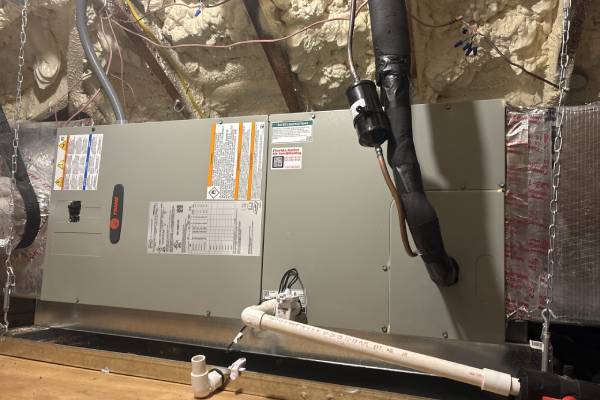
- Airflow measured at every register first
- Dampers set deliberately, not by feel
- Return problems identified and corrected
- Hot rooms and cold rooms evened out
- Restrictions found: filters, kinks, crushed runs
- After-readings prove the change is real
Three steps, no surprises
Map the imbalance
Register-by-register readings show exactly where the air goes today.
Redistribute deliberately
Dampers, adjustments and corrections aimed at the rooms that need it.
Verify by the numbers
The same readings after, so comfort improves on paper and in person.
Related work we handle
Every service carries the same 100% satisfaction guarantee, the same 24/7 phone, and the same rule about telling you the price before the work. The complete list lives on the services page. See finished jobs in the work gallery, or read what customers say on the reviews page.
Get a Straight PriceWhy this work is different in Florida
The calendar out here only pretends to have four seasons. Cooling season opens in April, peaks through the long furnace of July and August, and does not truly close until Thanksgiving. Afternoon thunderstorms spend the summer taking potshots at capacitors and control boards, power blinks stress compressors, and the humidity works on every gasket and coil the whole time. Then a January front drops the mornings into the thirties for a week, and the heating side gets asked to wake up from an eight-month nap and perform immediately. Equipment that gets professional attention twice a year handles this rhythm for a dozen years or more. Equipment that gets ignored fails on the hottest Saturday of July, because that is when the load peaks and the weak part finally quits.
How pricing works
Pricing here works one way: you hear the number before the work happens. Service calls get quoted when you book. Repairs get diagnosed, then priced, then approved by you before a wrench turns. Replacements come as two or three clear options with honest operating cost differences, not a single take-it-or-leave-it figure engineered around a commission. The word customers keep using in reviews is honest, and that is the entire strategy: an owner-run company in a small market lives or dies on whether the last customer would call again, so every price has to survive being repeated to your neighbor.
The owner-run difference
Owner-run means something specific here. The person who answers the midnight call, quotes the price and stands behind the guarantee is the same person whose name is on the truck. There is no call center reading a script, no commissioned closer arriving after the technician softens you up, and no corporate playbook that treats a repair visit as a sales lead. Twenty years of hands-on work set the standard; four years of running the company on referrals have proven it pays.
Brands, parts and honest recommendations
On the equipment side, Rheem and Trane are the factory relationships, which means preferred access to units, parts and technical support when your job needs them. On the repair side, brand loyalty means nothing: Carrier, Goodman, Lennox, Daikin, York, Ruud, Amana and the rest of what Florida installs are everyday work, and regional parts availability for all of them keeps repair turnarounds short. The recommendation you get is driven by what fits the house and the budget, never by whatever box a distributor wants moved this month.
Before the truck arrives
Want the visit to go faster? Three things help. First, note what the system is doing and when it started: sounds, smells, warm air, water where it should not be. Second, check the breaker panel and the filter before calling, because a tripped breaker or a suffocated filter solves a surprising share of calls on the phone, free. Third, clear a path to the equipment, indoor and out. None of it is required, but customers who do it tend to have their answer, and their cool air, sooner.
Questions we hear about this
Straight answers about airflow balancing from the crew that does it every week. If your question is not here, call 561-339-5729 for a direct answer, day or night.
Can balancing fix my hot bedroom?
Often, and measurably. If the room is starved because closer registers hog the airflow, redistribution solves it. If the duct serving it is undersized or damaged, you will get that honest finding with a straight price instead of a shrug.
Why is the room over the garage always the worst?
Long duct runs through hot spaces, garage heat underneath and often the least return relief. It usually needs a combination: better supply, a return path, and sometimes the honest answer is a mini-split for that space.
Will closing vents in unused rooms help?
Mostly no, and often it hurts. Closing registers raises system pressure, strains the blower and can ice the coil. Deliberate balancing accomplishes what vent-slamming attempts, without the side effects.
Is balancing worth it on an older system?
Yes, because it is delivery-side work: the ducts and dampers, not the equipment. Getting the existing system to put air where the family lives is cheap compared to almost every alternative.
How long does the improvement last?
Damper settings hold until someone changes them or the ductwork changes. It is set-and-done work, and the after-readings go in your record for reference if the house changes later.
Ready when you are
Airflow Balancing handled by an owner-run crew that answers its phone. Okeechobee to the coast, 24 hours a day.
Schedule a Visit