What this work looks like done right
Florida HVAC work is regulated for good reasons, hurricane strapping, electrical safety, condensate rules that protect the house, and refrigerant handling law, and a lot of installed systems quietly fail those requirements. Unpermitted changeouts, handyman installs and corner-cut electrical are everywhere, and they surface at the worst moments: insurance claims, home sales and inspections.
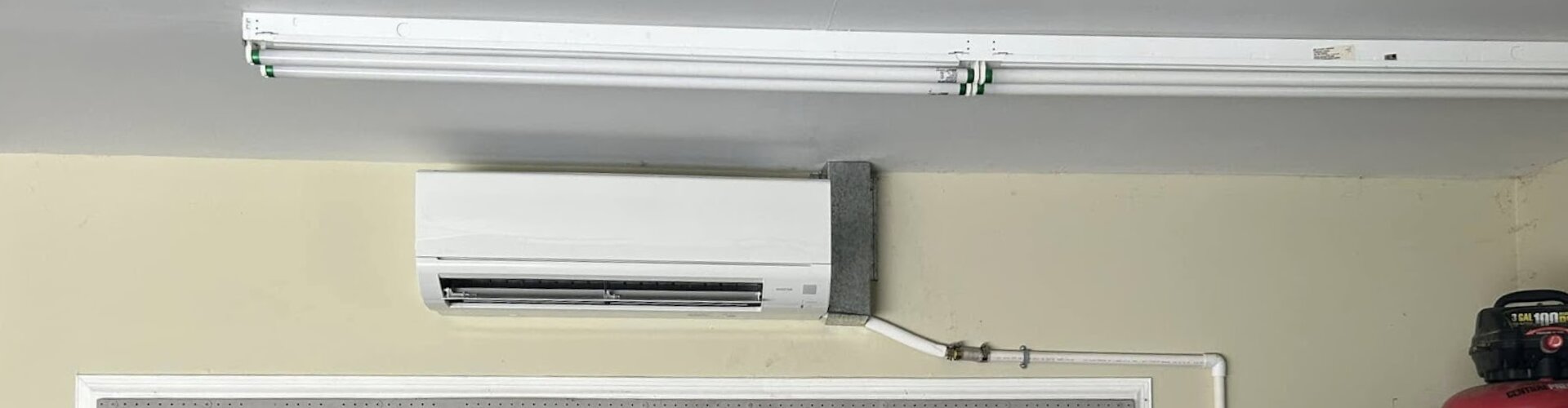
A code compliance inspection reads the installation against what the code actually requires: equipment anchoring and clearances, electrical disconnects and breaker sizing, condensate drainage and overflow protection, duct support and sealing, and the paper trail, whether the work that was done was permitted at all.
What you get is a documented plain-words finding: what complies, what does not, what fixing it involves, and honest guidance on the permit path when legacy work needs to be made right. It is the difference between discovering a problem on your schedule and discovering it during a claim.
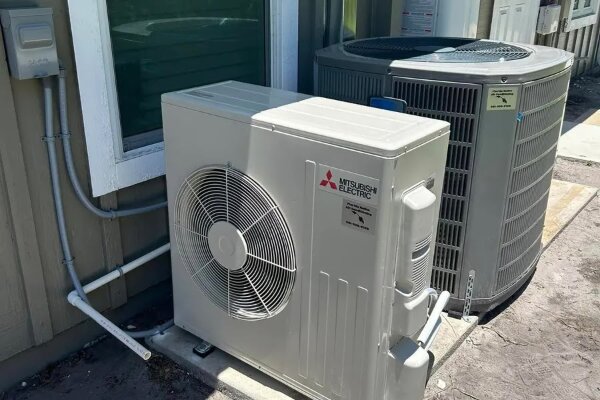
- Installation checked against actual code requirements
- Electrical disconnects and breaker sizing verified
- Condensate and overflow protection reviewed
- Anchoring and clearances for storm country
- Permit history checked on past work
- Written findings you can act on or file
Three steps, no surprises
Define the concern
Insurance, sale, unpermitted history or plain peace of mind. The inspection aims there.
Check against the code
The installation measured against requirements, not opinions.
Document and advise
Written findings, the fix list priced straight, and the permit path explained.
Related work we handle
Every service carries the same 100% satisfaction guarantee, the same 24/7 phone, and the same rule about telling you the price before the work. The complete list lives on the services page. See finished jobs in the work gallery, or read what customers say on the reviews page.
Get a Straight PriceWhy this work is different in Florida
Heat is the obvious opponent here, but humidity is the sneakier one. It swells door seals, feeds biological growth on evaporator coils, corrodes electrical contacts and keeps drain lines permanently busy. A system can lose a fifth of its capacity to a dirty coil without a single dramatic symptom beyond a power bill that keeps creeping and a house that never feels quite crisp. That slow rot is why the tune-up exists, and why we measure temperatures and pressures instead of just rinsing the condenser and calling it a day. The goal is a system that pulls its rated capacity in August, not just one that turns on.
How pricing works
Pricing here works one way: you hear the number before the work happens. Service calls get quoted when you book. Repairs get diagnosed, then priced, then approved by you before a wrench turns. Replacements come as two or three clear options with honest operating cost differences, not a single take-it-or-leave-it figure engineered around a commission. The word customers keep using in reviews is honest, and that is the entire strategy: an owner-run company in a small market lives or dies on whether the last customer would call again, so every price has to survive being repeated to your neighbor.
The owner-run difference
Owner-run means something specific here. The person who answers the midnight call, quotes the price and stands behind the guarantee is the same person whose name is on the truck. There is no call center reading a script, no commissioned closer arriving after the technician softens you up, and no corporate playbook that treats a repair visit as a sales lead. Twenty years of hands-on work set the standard; four years of running the company on referrals have proven it pays.
Brands, parts and honest recommendations
On the equipment side, Rheem and Trane are the factory relationships, which means preferred access to units, parts and technical support when your job needs them. On the repair side, brand loyalty means nothing: Carrier, Goodman, Lennox, Daikin, York, Ruud, Amana and the rest of what Florida installs are everyday work, and regional parts availability for all of them keeps repair turnarounds short. The recommendation you get is driven by what fits the house and the budget, never by whatever box a distributor wants moved this month.
Before the truck arrives
Want the visit to go faster? Three things help. First, note what the system is doing and when it started: sounds, smells, warm air, water where it should not be. Second, check the breaker panel and the filter before calling, because a tripped breaker or a suffocated filter solves a surprising share of calls on the phone, free. Third, clear a path to the equipment, indoor and out. None of it is required, but customers who do it tend to have their answer, and their cool air, sooner.
Questions we hear about this
Straight answers about hvac code compliance inspections from the crew that does it every week. If your question is not here, call 561-339-5729 for a direct answer, day or night.
I think my AC was installed without a permit. Does it matter?
It can, at sale time and at claim time. Insurers and buyers both ask, and unpermitted mechanical work gives both a lever. The inspection establishes what you actually have, and the path to making it right is usually less painful than people fear.
What code problems do you find most in Florida?
Missing or wrong-sized disconnects, condensate lines without overflow protection, equipment set without proper anchoring in wind country, and breakers oversized for the equipment they feed. All fixable, most affordably.
Will you report me if you find violations?
No. The inspection is for you: information, documentation and a fix path. The goal is getting your house right, not getting anyone in trouble.
Does new work you do get permitted?
Always. County permits and inspections are part of every installation this company does, no exceptions. It protects your insurance and your resale, and it is not negotiable here.
Is this the same as a regular HVAC inspection?
They overlap, but the lens differs: a condition inspection asks how healthy the system is; a compliance inspection asks whether the installation meets the rules. Buying an older house, you often want both, and they combine into one visit.
Ready when you are
HVAC Code Compliance Inspections handled by an owner-run crew that answers its phone. Okeechobee to the coast, 24 hours a day.
Schedule a Visit