
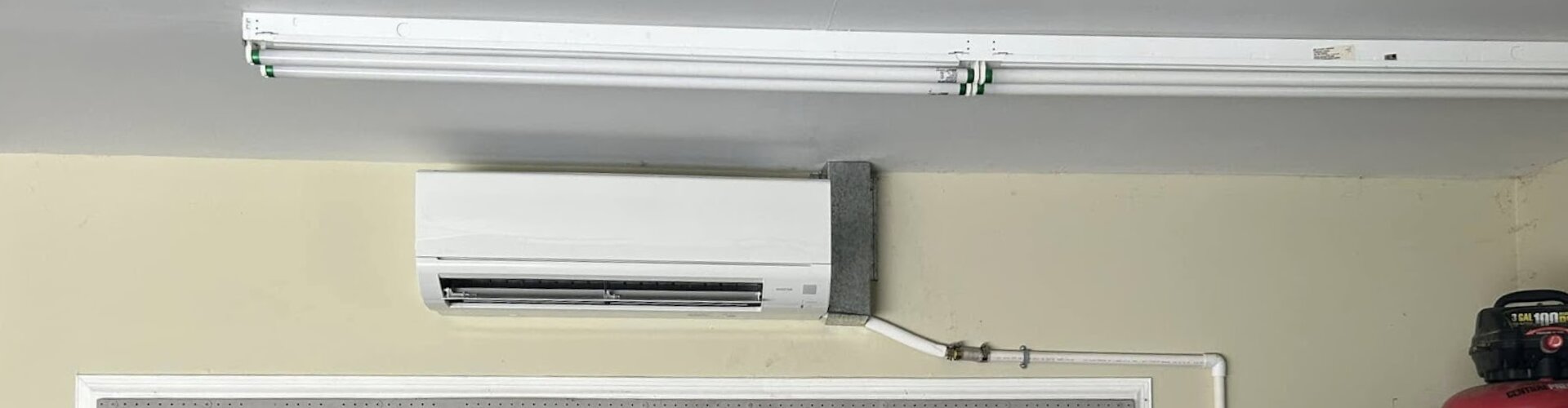
What this work looks like done right
Commercial equipment runs harder than residential, in worse conditions, with more riding on it, and it rewards maintenance more dramatically. The storefront package unit baking on the roof does not get a mild season; it gets occupancy loads, door traffic and Florida sun until something quits, usually on the busiest afternoon of the month.
Commercial maintenance here is scheduled, measured and documented per unit: coils cleaned against the grime commercial duty generates, charge verified, electrical components measured under load, belts, bearings and condensate handled, and every reading recorded so each unit builds a service history the business can plan against.
The plan pays in the two currencies businesses care about: fewer emergency calls, because the failures that strand a Friday get caught in the spring, and capital predictability, because a documented decline is a budget item instead of an ambush. Multi-location operators get the whole portfolio on one schedule with one point of contact.
- Per-unit documentation and service history
- Coils cleaned for commercial-grade grime
- Electrical measured under real load
- Visits scheduled around business hours
- Priority response when something breaks anyway
- Multi-location portfolios on one schedule
Three steps, no surprises
Inventory the equipment
Every unit logged: age, condition, refrigerant and the history that exists.
Run the schedule
Seasonal measured visits, timed to your hours, documented per unit.
Plan with the data
Decline trends flagged early, so replacements land in the budget, not the emergency column.
Related work we handle
Every service carries the same 100% satisfaction guarantee, the same 24/7 phone, and the same rule about telling you the price before the work. The complete list lives on the services page. See finished jobs in the work gallery, or read what customers say on the reviews page.
Get a Straight PriceWhy this work is different in Florida
The calendar out here only pretends to have four seasons. Cooling season opens in April, peaks through the long furnace of July and August, and does not truly close until Thanksgiving. Afternoon thunderstorms spend the summer taking potshots at capacitors and control boards, power blinks stress compressors, and the humidity works on every gasket and coil the whole time. Then a January front drops the mornings into the thirties for a week, and the heating side gets asked to wake up from an eight-month nap and perform immediately. Equipment that gets professional attention twice a year handles this rhythm for a dozen years or more. Equipment that gets ignored fails on the hottest Saturday of July, because that is when the load peaks and the weak part finally quits.
How pricing works
Pricing here works one way: you hear the number before the work happens. Service calls get quoted when you book. Repairs get diagnosed, then priced, then approved by you before a wrench turns. Replacements come as two or three clear options with honest operating cost differences, not a single take-it-or-leave-it figure engineered around a commission. The word customers keep using in reviews is honest, and that is the entire strategy: an owner-run company in a small market lives or dies on whether the last customer would call again, so every price has to survive being repeated to your neighbor.
The owner-run difference
Owner-run means something specific here. The person who answers the midnight call, quotes the price and stands behind the guarantee is the same person whose name is on the truck. There is no call center reading a script, no commissioned closer arriving after the technician softens you up, and no corporate playbook that treats a repair visit as a sales lead. Twenty years of hands-on work set the standard; four years of running the company on referrals have proven it pays.
Brands, parts and honest recommendations
On the equipment side, Rheem and Trane are the factory relationships, which means preferred access to units, parts and technical support when your job needs them. On the repair side, brand loyalty means nothing: Carrier, Goodman, Lennox, Daikin, York, Ruud, Amana and the rest of what Florida installs are everyday work, and regional parts availability for all of them keeps repair turnarounds short. The recommendation you get is driven by what fits the house and the budget, never by whatever box a distributor wants moved this month.
Before the truck arrives
Want the visit to go faster? Three things help. First, note what the system is doing and when it started: sounds, smells, warm air, water where it should not be. Second, check the breaker panel and the filter before calling, because a tripped breaker or a suffocated filter solves a surprising share of calls on the phone, free. Third, clear a path to the equipment, indoor and out. None of it is required, but customers who do it tend to have their answer, and their cool air, sooner.
Questions we hear about this
Straight answers about commercial hvac maintenance from the crew that does it every week. If your question is not here, call 561-339-5729 for a direct answer, day or night.
What does commercial maintenance actually prevent?
The expensive kind of failure: the compressor cooked by a dirty coil, the fan motor that died of a worn belt, the drain overflow that closed the dining room. Most commercial emergencies are maintenance items that nobody caught, and the schedule exists to catch them.
How often does commercial equipment need service?
Quarterly to twice-yearly depending on duty: restaurants and high-traffic retail run dirtier and earn more frequent visits, offices less. The schedule follows the equipment’s actual conditions, and it gets adjusted honestly as the data comes in.
Do maintenance customers get priority on breakdowns?
Yes, same policy as residential and worth more here: when the summer rush stacks the queue, contract customers move first. For a business, that difference is measured in lost revenue, not just comfort.
Can you maintain equipment you did not install?
All of it. The first visit establishes each unit’s baseline regardless of provenance, and if a previous installer left problems, the documentation says so plainly while the plan corrects what is worth correcting.
What paperwork do property managers receive?
Per-unit service records, readings included, delivered after each visit: what was serviced, what was found, what to watch. Files that survive audits, insurance questions and ownership changes.
Ready when you are
Commercial HVAC Maintenance handled by an owner-run crew that answers its phone. Okeechobee to the coast, 24 hours a day.
Schedule a Visit