
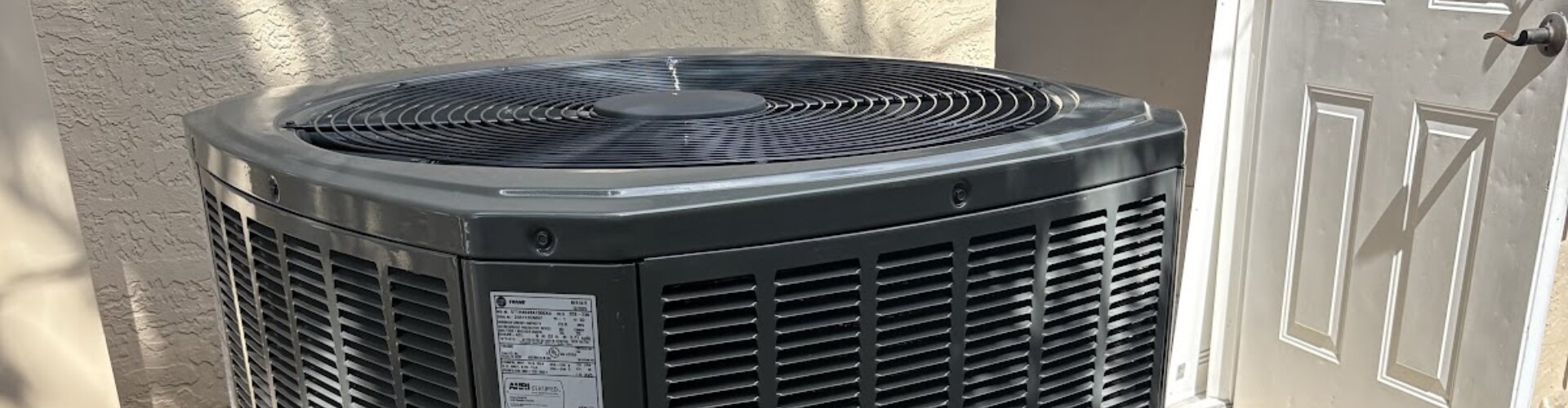
What this work looks like done right
When the AC dies on a July night, waiting until Monday is not a plan. Indoor temperatures climb fast, sleep goes first, and anyone elderly, pregnant, an infant or on medication is genuinely at risk in a sealed Florida house. That is why the emergency line is answered by a human around the clock, and why no-cool calls jump the schedule.
Emergency work follows the same rules as daytime work: diagnosis explained plainly, the price before the repair, and the fix made on the first visit whenever parts allow. Brian has worked in the dark to get a family’s AC running the same night, and that review is on the record because it is the standard, not the exception.
Most middle-of-the-night failures are capacitors, contactors, tripped float switches and frozen coils. The truck carries the common parts for every major brand, which is why most emergency calls end with cold air the same visit.

- Human-answered phone, 24 hours a day
- No-cool calls take schedule priority
- Common parts stocked on the truck
- Same rules at midnight: price before work
- All major brands handled
- Honest triage if the fix must wait for parts
Three steps, no surprises
Call, any hour
Describe what it is doing. Some failures reset safely over the phone, free.
Fast, honest timing
You get the real arrival window, not a promise nobody can keep.
Cold air back
Diagnosed, priced, fixed and verified, usually the same visit.
Related work we handle
Every service carries the same 100% satisfaction guarantee, the same 24/7 phone, and the same rule about telling you the price before the work. The complete list lives on the services page. See finished jobs in the work gallery, or read what customers say on the reviews page.
Get a Straight PriceWhy this work is different in Florida
Anyone who has spent a full year here knows the pattern: a long, punishing cooling season that runs from Easter to Thanksgiving, storm season stacked right on top of it, and a short sharp cold snap in January that catches every neglected heating system by surprise. That pattern is exactly why the maintenance rhythm matters. A spring visit hardens the system for the brutal months: coils cleaned, charge verified, electrical parts measured instead of guessed at. A fall visit catches what the summer chewed up and proves the heat works before the first front. Customers on that rhythm ride out the season quietly; the July emergency list is mostly made up of everyone else.
How pricing works
Pricing here works one way: you hear the number before the work happens. Service calls get quoted when you book. Repairs get diagnosed, then priced, then approved by you before a wrench turns. Replacements come as two or three clear options with honest operating cost differences, not a single take-it-or-leave-it figure engineered around a commission. The word customers keep using in reviews is honest, and that is the entire strategy: an owner-run company in a small market lives or dies on whether the last customer would call again, so every price has to survive being repeated to your neighbor.
The owner-run difference
Owner-run means something specific here. The person who answers the midnight call, quotes the price and stands behind the guarantee is the same person whose name is on the truck. There is no call center reading a script, no commissioned closer arriving after the technician softens you up, and no corporate playbook that treats a repair visit as a sales lead. Twenty years of hands-on work set the standard; four years of running the company on referrals have proven it pays.
Brands, parts and honest recommendations
On the equipment side, Rheem and Trane are the factory relationships, which means preferred access to units, parts and technical support when your job needs them. On the repair side, brand loyalty means nothing: Carrier, Goodman, Lennox, Daikin, York, Ruud, Amana and the rest of what Florida installs are everyday work, and regional parts availability for all of them keeps repair turnarounds short. The recommendation you get is driven by what fits the house and the budget, never by whatever box a distributor wants moved this month.
Before the truck arrives
Want the visit to go faster? Three things help. First, note what the system is doing and when it started: sounds, smells, warm air, water where it should not be. Second, check the breaker panel and the filter before calling, because a tripped breaker or a suffocated filter solves a surprising share of calls on the phone, free. Third, clear a path to the equipment, indoor and out. None of it is required, but customers who do it tend to have their answer, and their cool air, sooner.
Questions we hear about this
Straight answers about emergency ac repair from the crew that does it every week. If your question is not here, call 561-339-5729 for a direct answer, day or night.
Is a night call more expensive?
Emergency response costs what it costs to run, and you hear the number on the phone before anyone is dispatched. No secret multipliers, no invoice surprises at 3 AM.
What counts as an AC emergency?
No cooling with vulnerable people in the house, water pouring from the air handler, burning smells, or a breaker that will not hold. When in doubt, call; the two-minute conversation is free and sorts it honestly.
What can I check before calling?
The breaker panel, the thermostat batteries and the filter. A tripped breaker or a suffocated filter explains a surprising share of midnight failures, and we will walk you through it on the phone.
How fast can you get here at night?
We run out of Okeechobee across an 80-mile radius. Timing depends on where you are and what is already in the queue, and you will get the truth about it up front.
Will you have the part at night?
Usually, for the common failures. When a part has to wait for morning, the system gets stabilized, the plan gets explained, and you get first slot when the supply house opens.
Ready when you are
Emergency AC Repair handled by an owner-run crew that answers its phone. Okeechobee to the coast, 24 hours a day.
Schedule a Visit