
What this work looks like done right
A typical duct system leaks a meaningful share of everything the air conditioner makes, and in Florida the insult is doubled: the cooling you paid for escapes into a 130-degree attic, and on the return side that attic air, hot, humid and dusty, gets pulled into the system and delivered to your living room. Sealing the ducts is plugging a hole in your own pocket.
Sealing here is done with mastic and proper mechanical fastening at every accessible connection: boots to registers, collars at the plenum, joints along every run, and the return side, which leaks worse and matters more. Cloth tape and wishful thinking are not sealing materials, whatever the last guy thought.
The results are measurable and you get the measurements: static pressure and register airflow before and after, plus the things you feel without instruments, rooms that even out, humidity that settles down and a system that cycles instead of grinding all afternoon.
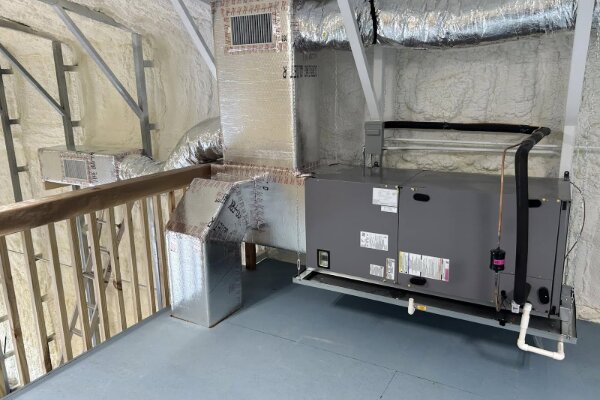
- Mastic sealing at every accessible joint
- Return-side leaks prioritized, they matter most
- Boots, collars and plenum connections secured
- Filter rack bypass leaks closed
- Before-and-after measurements provided
- Often the best efficiency spend in the house
Three steps, no surprises
Measure the leakage story
Static pressure, register readings and an attic inspection establish the baseline.
Seal it properly
Mastic and mechanical fastening, joint by joint, supply and return both.
Show the difference
The same measurements after, so the improvement is a fact instead of a feeling.
Related work we handle
Need something this page does not cover? The full lineup is on the services page, from ductwork to refrigeration. Photos of real installs and repairs sit in the work gallery, and the reviews page collects what customers have said about Brian and the work.
Get a Straight PriceWhy this work is different in Florida
All that moisture has to go somewhere, and a working system in summer can pull gallons of water out of the house in a single day. It leaves through a small condensate line that algae and sludge love to clog. When that line backs up, the best case is a float switch that shuts the system off. The worst case is water through a ceiling, a soaked closet floor or a rotted platform under the air handler. Flushing the drain and testing the safety switch takes a few minutes on a maintenance visit, and it is some of the cheapest insurance in the house.
How pricing works
Ask what something costs and you get a straight answer. Call to book and the service call price is part of the conversation. Once the system is diagnosed, you see the repair price and decide before any parts come off the truck. When the equipment is past saving, the replacement comes as two or three options with honest running cost comparisons, so you can weigh what you spend now against what you spend every month after. Property managers get the same treatment for their tenants that homeowners get for themselves. Nobody pays for work they did not approve first.
The owner-run difference
Owner-run means something specific here. The person who answers the midnight call, quotes the price and stands behind the guarantee is the same person whose name is on the truck. There is no call center reading a script, no commissioned closer arriving after the technician softens you up, and no corporate playbook that treats a repair visit as a sales lead. Twenty years of hands-on work set the standard; four years of running the company on referrals have proven it pays.
Brands, parts and honest recommendations
A factory relationship matters most on the hard jobs. When an install calls for something unusual, or a newer unit throws a fault nobody has seen before, Rheem and Trane technical support is a phone call away, and so is preferred access to their equipment and parts. That backing never turns into a quota. A homeowner with a working Daikin or York gets the repair with no pitch to swap brands, and replacement quotes go wherever the house and the budget point.
Before the truck arrives
A few minutes of homework before the visit pays off. Look at the thermostat: confirm it is set to cool, the setting sits below room temperature, and the screen is not blank from dead batteries. Glance at the outdoor unit to see whether the fan is spinning. Mention any recent storm or power blink when you call, since that narrows the list fast. If water is pooling near the indoor unit, put a towel down and tell us. Small details like these often point straight at the problem before the truck pulls in.
Questions we hear about this
Straight answers about duct sealing from the crew that does it every week. If your question is not here, call 561-339-5729 for a direct answer, day or night.
How much cooling do leaky ducts actually lose?
Enough that duct sealing routinely outperforms equipment upgrades dollar for dollar in Florida homes. The exact figure depends on your system, and the before-and-after measurements will tell you what was recovered.
Why do return leaks matter more?
Because they pull attic air in: hot, humid, dusty and occasionally flavored by whatever lives up there. Supply leaks waste cooling; return leaks waste cooling and contaminate the house air at the same time.
Is aerosol duct sealing a real thing?
It exists and has its uses, mostly for inaccessible runs. Accessible ductwork gets better, cheaper and more verifiable results from hand sealing with mastic. You get the honest recommendation for your situation, not the fancier invoice.
Will sealing help my allergies?
It often helps noticeably, because sealed returns stop pulling attic dust and fiberglass into the airstream. Pair it with the right filtration and the indoor air changes character.
How long does duct sealing last?
Mastic done right is effectively permanent, decades, not seasons. It cures into the joint rather than sticking onto it, which is exactly why it beats every tape ever made in an attic.
Ready when you are
Duct Sealing handled by an owner-run crew that answers its phone. Okeechobee to the coast, 24 hours a day.
Schedule a Visit