
The decision that actually changes how a house feels
Most people shopping for a new system ask how cold it will get. Around here the question that decides comfort is how much water the machine pulls out of the air, because we run humid nine months a year and a house sitting at 75 degrees can still feel sticky. Equipment that is too large cools the rooms in a hurry, satisfies the thermostat, and shuts down before it has run long enough to dry anything out.
That is the mistake we inherit most often in the older grid. Whole sections of the city went up on rule of thumb tonnage, and the replacement after that usually copied whatever was stamped on the old data plate. So we measure the house instead: orientation, glass, insulation, ceiling height, and how the ducts actually run. Sometimes the answer is smaller equipment that runs longer and quieter, which is the version that fixes the damp complaint rather than moving it to another room.

- Load math on your house, not the old label
- Matched indoor and outdoor equipment
- Duct and return sizing checked first
- Old system hauled off, site left clean
- Airflow and charge measured at close out
What a changeout brings to light
Streets here age together. A block that went up in one or two building seasons reaches the end of its equipment life across the same few summers, which is why a neighbor’s condenser giving out often shows up on three more driveways the same month. It also means June through September fills fast. Plan the swap in the cooler months and you get your pick of dates instead of waiting it out in the heat.
The other thing a changeout shows you is everything the old system was covering for. Returns on many of these homes were sized for the equipment of their era and choke the airflow a modern air handler expects. Flex runs sag, get crushed behind stored boxes, or leak at the boot. A line set that carried the old refrigerant may not suit the new pair. We look at all of that before quoting, so the price you approve covers the real job.
One system, one pair
Replacing half a system is tempting when only half of it failed. The catch is that the indoor coil and the outdoor unit are engineered together. Pair a tired coil with new equipment and airflow, metering and refrigerant behavior all land slightly off, so you pay for capacity you never receive and warranty coverage gets complicated. When the budget only stretches to half, we would rather talk about timing than sell a mismatch.
Already had somebody out? A second opinion costs you nothing. Call 561-339-5729 and we will look at what you were told.

Ready when you are
System installation from an owner-run crew that answers its own phone. Port St. Lucie and St. Lucie County, 24 hours a day.
Schedule a VisitPad, anchoring, clearance, salt
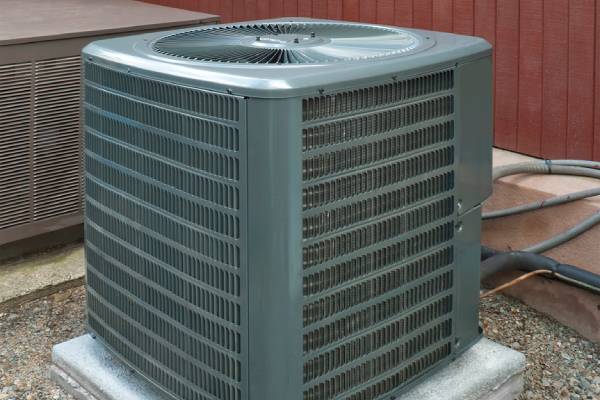
The condenser sits outside for the next decade and a half, so where it lands and what it lands on matters. Flat sandy ground and a shallow water table mean a pad dropped straight on grade can settle or wash at the edges. We set it level on prepared ground, tie the unit down properly, and hold the clearances the equipment asks for around the coil and overhead. None of that is decorative. It is what keeps the unit put in a blow and breathing in August.
Closer to the water
Near the river and out toward the coast, salt is the second clock running on the equipment. Coils and cabinet hardware give out sooner there, so placement out of the direct spray line and protected coil options are worth talking through on those addresses. Ten miles inland, that same package is usually money you do not need to spend, and we will tell you so.
Three steps, no surprises
Walk the house
Load math, a look at the ducts and returns, then two or three complete options with the differences explained in plain words.
Install day
Floors covered, old equipment out, pad and anchoring set, line set handled correctly, and the drain run with real pitch.
Commissioning
Airflow measured, charge weighed and verified, static pressure read, drain tested, thermostat set. Not simply “it turned on.”
Related work nearby
Every job runs the same way: the price said out loud before the work, the 24/7 phone, and the guarantee behind it. See finished installs in the work gallery, browse the full list on the services page, or start on the contact page.
Get a Straight PriceWhat Port St. Lucie homeowners ask
Straight answers from the crew doing the work. If yours is not here, call 561-339-5729 day or night, or use the contact form.
Why would a bigger system leave the house damp?
Because it reaches the set temperature and stops. Moisture removal happens while the machine is running, so short cycles leave the water in the air. Right sized equipment runs longer and the house feels drier at the same thermostat setting.
My whole street is replacing systems. Is that normal?
Very. Homes built in the same two or three years hit the end of equipment life together, so replacements cluster. The practical effect is scheduling: summer books up quickly, and the cooler months are far easier on dates.
Can you reuse my existing ducts and line set?
Sometimes. We check return sizing, leakage and the condition of the runs, then look at whether the line set suits the new pair. If it works, we say so. If it undercuts the new system, you hear that before you sign anything.
What happens to the outdoor unit in a storm?
It stays where we put it if the pad is prepared and the unit is anchored the way it should be. We also keep clearance around and above the coil so debris has somewhere to go and airflow is not pinched year round.
What does commissioning actually mean?
Measured airflow, refrigerant charge weighed and verified, static pressure checked, drain tested and the thermostat set up. You get the readings. A system that merely switches on has not been proven yet.