
The honest answer is often no
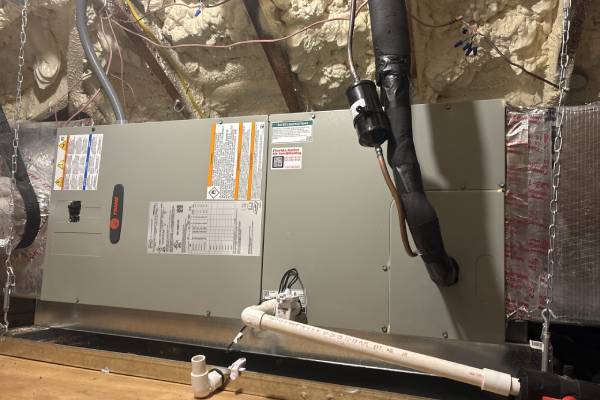
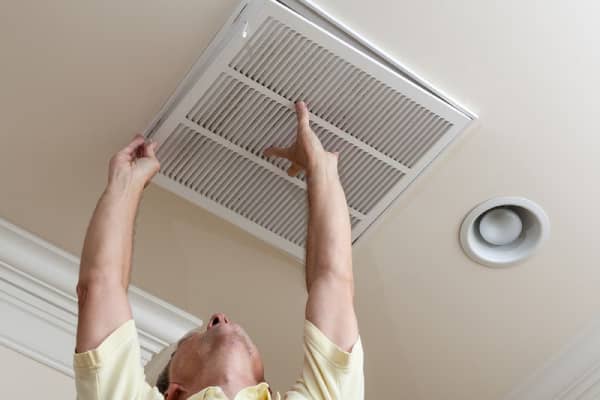
Duct cleaning is the easiest thing in this trade to sell and one of the hardest to sell honestly. Somebody knocks, mentions a number, and a homeowner who has never seen the inside of a supply run has no way to argue. So we do the opposite. Somebody comes out, pulls the filter, opens the air handler, and looks at the plenum and the first branches with a light. If the system is dry and sealed and the filter has been getting changed, we tell you to keep your money.
That is not a soft pitch. It is the same reason this company runs on referrals instead of advertising: out here, everybody eventually talks to everybody, and a job sold to a house that did not need one gets around. Brian would rather come back next year for a repair you actually need.
The flip side is that the real cases exist, and around Taylor Creek they turn up more often than you would guess. What decides it is not the calendar. It is what is actually sitting in the metal.
- Loose debris you can see in a boot
- Nesting or insect activity in a run
- Fine dust everywhere after a remodel
- A filter slot that never held a filter
- Air that smells damp at every startup
- A return pulling from a crawl or attic gap
Lake air gets in through the return
Taylor Creek sits on the water east of town, where the creek runs down into Lake Okeechobee, and the humidity off that water never really lets up. Homeowners tend to think about the supply side, the vents blowing at them. The side that actually decides how a duct system ages is the return, because that is the part under suction, and suction finds every gap you have.
A return chase with a seam open to an attic, a filter slot that does not seal, a boot pulled loose behind a cabinet: each one is an invitation for hot damp air to come in around the filter instead of through it. What rides in with that air is whatever is in the space it came from, and it lands on the wet part of the system where the cold metal is. That is the mechanism. Cleaning the branch runs while a return keeps feeding the problem is a job you get to pay for twice.
The housing mix out here makes it worth checking rather than assuming. Waterfront homes, older places that have been added onto more than once, and camps that were never built to be sealed tight all sit within a few minutes of each other, and their duct systems have nothing in common.
Look, and show you
Filter out, air handler open, plenum and the first runs inspected with a light. You get the photos on your phone either way, including the ones that say the system is fine.
Find the way in
Before anything gets cleaned, we walk the return side for open seams, a leaking filter slot, or a boot that has separated. Fixing the entry point is what makes the cleaning hold.
Wet side first
Coil, drain pan and the plenum right off the air handler get handled by hand, because that is where damp air stops being air and starts being a problem you can smell.
Runs, then verify
Branches and boots after that, then a fresh filter, the drain line flushed, access doors sealed, and the system run and checked before the truck loads up.
Have somebody look first
Owner-run, answering its own phone at any hour, and willing to tell you the job is not worth doing. Ten minutes from the shop.
Schedule a VisitWhat cleaning fixes, and what it will not
Worth being plain about this, because the marketing around duct cleaning makes promises nobody can keep. What a cleaning does is remove the material sitting in your ducts and on the wet side of the system. What you can observe afterward is usually the damp smell at startup easing off, less visible dust coming out of a register, and a coil and drain that are not fighting themselves. That is the honest list.
What it does not do is turn a torn duct system into a good one, and it is not a health treatment. If somebody in the house has a breathing issue, that is a conversation for a doctor, and we are not going to pretend otherwise to close a job. If the smell is coming from standing water under the house or from a wall, cleaning your ducts will not touch it. And if what is in there needs a licensed remediation contractor, we will say so and point you at one rather than take work that is not ours.
Sometimes the right answer is a different service entirely. A run that is crushed, torn open, or disconnected in a crawl space is a repair problem, not a cleaning problem, and cleaning it just refills it by August. We would rather quote you the fix.
Related work nearby
Okeechobee County work runs on the same terms everywhere: the 100% satisfaction guarantee, a phone somebody answers at any hour, and the price said out loud before anything starts. Finished jobs are in the work gallery, the rest of the coverage map is on the service areas page, and nearby towns are listed on the Okeechobee County page. More on this community lives on the Taylor Creek page.
Get a Straight PriceNo two systems out here age the same way
A few minutes of driving around here covers houses with almost nothing in common mechanically, which is the whole reason we will not quote this over the phone. What turns up inside the ductwork tracks the house far more closely than it tracks the calendar.
The waterfront house
Usually the tightest and newest of the three, which cuts both ways. A sealed house pulls less outside air through gaps, so the runs stay cleaner longer. What it does instead is hold moisture, and a system oversized for a tight house short-cycles: it cools fast, shuts off before pulling much water out of the air, and leaves the coil wet between cycles. The duct is often fine here. The wet side is what wants looking at, and the answer is frequently a sizing conversation rather than a cleaning.
The house that grew
Plenty of places out here started smaller and got added onto, and the duct system got extended each time by whoever was cheapest that year. That produces long undersized branches feeding the newest rooms, returns never enlarged to match the load, and joints between old metal and new flex that were taped instead of sealed. This is where a look pays for itself most often, because what makes the back bedroom hot and dusty is usually one bad connection somebody can point at, not the general condition of the system.
The camp or older cottage
These were built to breathe, not to seal, and there is no point pretending otherwise. Runs pass through spaces that are effectively outdoors, insulation gets brittle and splits along the top where nobody sees it, and critters find the same gaps the air does. This is the group where a cleaning is most often genuinely warranted, and also where cleaning alone is the wrong stopping point. If the run is open to a crawl space, sealing it is what makes the work last.
None of that is a diagnosis of your house. Call 561-339-5729 and we will come tell you which one you have.
What people out here ask us
Plain answers from the crew that opens these systems. If yours is not covered, call 561-339-5729 and ask, day or night.
How do I know whether mine actually needs it?
Somebody has to look, and you hear whether it is worth doing before anybody quotes a job. Filter out, air handler open, plenum and the first runs inspected, photos handed to you on your phone. Loose debris, nesting material, remodel dust or a filter slot that never sealed means yes. A dry, sealed, filtered system usually means no, and you will hear that answer just as plainly.
Does being right on the water make this worse?
It makes the return side matter more. Humidity off the lake is relentless here, and any gap under suction pulls that damp air in around the filter instead of through it. The moisture lands on the coldest metal in the system. Sealing the way in is what keeps a cleaning from being undone.
Will cleaning help somebody in the house who has trouble breathing?
That is a question for their doctor, and we are not going to answer it for you. What we can tell you is what came out of the system and what did not, with photos. If the problem is something that needs a licensed remediation contractor, we will say so and point you at one instead of taking the job.
Will the musty smell at startup go away?
It depends on where the smell is coming from. A loaded coil or water sitting in the drain pan usually stops smelling once it is cleaned and the drain is cleared. If damp air is being pulled in through a torn return or an open chase, the smell comes back until that gets repaired.
What happens on the day, and how long are you here?
Registers get covered, there is noise, and the house is not exactly peaceful while it happens. How long depends entirely on the size of the system and how many runs it has, so you will get that answer once somebody has seen it, not over the phone. You end the day with a fresh filter, a cleared drain line, photos of the work, and the system run and checked.