
Two houses in Port St. Lucie can buy the same air conditioner in the same month, set the same thermostat, and get very different lives out of it. The variable is rarely the brand on the cabinet. It is how close the outdoor unit sits to moving salt water, and which way the wind crosses it most afternoons. Nobody mentions that at the point of sale. You find it out four or five summers later, when the system runs longer for less cooling and nothing in it is technically broken.
What salt actually does out there
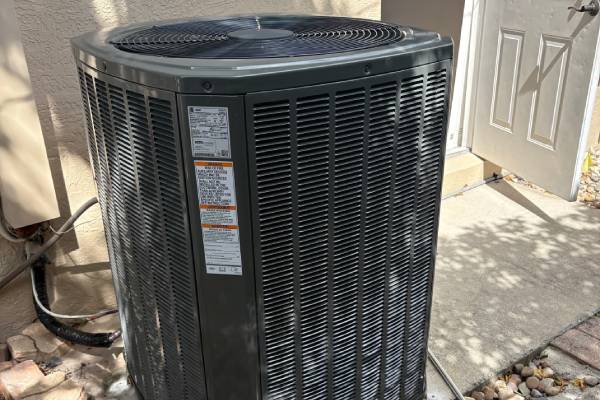
Salt does not arrive as a crust of table salt. It arrives as microscopic droplets of salt water carried in the air, and it lands on everything: the cabinet, the fan guard, the copper tubing, and above all the thin aluminum fins wrapped around the coil. Once it lands and the humidity keeps it damp, which in St. Lucie County is most of the year, you have salt water sitting between two dissimilar metals that are touching each other. That is a battery. Small, slow, constant, but a battery.
Aluminum and copper in that arrangement corrode faster than either would alone, and the aluminum loses. Fin stock is measured in thousandths of an inch, so very little material loss matters. The fins go chalky, then powdery, then in patches they are simply gone. Underneath, the copper carrying refrigerant takes its own beating, and pinhole leaks are how that story ends. The fins go first though, by a wide margin.
Here is the part people miss. Those fins are the entire reason the outdoor unit works. Their job is to hand heat off to the air moving past them. Lose fin surface and you lose that ability. The machine does not stop. The compressor still runs, the fan still spins, refrigerant still moves. It just cannot dump heat the way it used to. A coastal condenser loses its ability to reject heat long before it loses its ability to run.
The river counts, not only the beach
People assume the salt line runs a few blocks in from the Atlantic and stops. It does not. Port St. Lucie is built around water in every direction. The North and South Forks of the St. Lucie River wind through neighborhoods that are miles from the coast, and the Intracoastal carries the same brackish water past a large share of the roughly 240,000 people who live here. A canal behind the house counts. A pond tied to the river counts.
Wind finishes the job. The sea breeze comes off the Atlantic most afternoons and carries salt aerosol well inland, and waterfront homes get a second dose off their own back yard. We have opened units in neighborhoods nowhere near the beach and found textbook coastal corrosion, because the condenser sat on the water-facing side of the house with a clean shot at the breeze. Distance from the ocean is one variable. It is not the only one.
What it looks like before it looks like anything
No tools needed. Walk out to the condenser on a dry morning and look at it in good light.
White or chalky deposits across the fin face are the first tell. It looks like dust settled there and got wet, which is close to what happened. Run a finger lightly across the fins. Healthy aluminum feels like a firm comb. Corroded aluminum crumbles, and you come away with grit on your fingertip and a soft spot where fins should be.
Then look low. Rust streaks running down from the base pan, or staining at the cabinet corners where water sits after every rain, tell you the steel is going too. Check the panel fasteners and the fan guard screws, because fasteners rust before almost anything else. A unit with orange screws has been in the salt long enough that the coil deserves a real inspection.
Why the complaint is almost never “corrosion”
Nobody calls us about corrosion. They call because the house sits at 78 when the thermostat says 74, or because the system runs from noon until dark and never satisfies, or because the power bill climbed with no obvious reason. Those are the same problem wearing different clothes.
When a coil cannot shed heat properly, head pressure climbs, the compressor works harder for less output, and run time stretches to compensate. Longer run time at lower capacity means more electricity and a house that never quite catches up on hot days. Because the unit is still running, blame lands somewhere else. The thermostat gets replaced. The ducts get accused. Somebody adds refrigerant to a system that was never low, which makes head pressure worse. Meanwhile the answer is standing outside with half its fin stock gone, which is why a coastal maintenance visit in Port St. Lucie starts at the condenser with eyes and hands before anything gets hooked to it.
Rinsing is real maintenance, and it is free
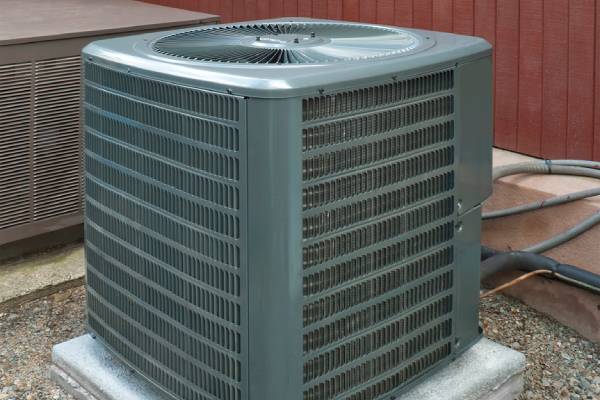
Fresh water rinsing is the most useful thing a homeowner near the water can do, and it costs ten minutes. The point is dilution. Salt that gets rinsed off is salt that is not sitting there staying damp for the next month.
Kill the power first at the disconnect beside the unit, not at the thermostat. Use a garden hose at normal house pressure. Never a pressure washer, which will lay those fins flat in one pass and do more damage in a minute than the salt manages in a year. Spray straight into the fin face at a right angle, never at an angle, because angled spray folds fins over. Where you can reach through the top grille, rinse downward through the coil so debris leaves the way it came in. Work all the way around the cabinet, rinse the base and the feet, and let everything dry before power goes back on.
Once a month is reasonable within a mile or two of open water, and again after any storm that blew hard off the ocean. Leave fin combing, chemical coil cleaners and anything requiring the top panel removed for a service visit, since the fan wiring runs through that panel and it breaks easily.
Coated coils, described honestly
Coil coatings are real and they help. A coating is a barrier layer over the fin and tube surface, so salt sits on the coating instead of on bare metal. Some go on at the factory before the coil is assembled, some are applied after.
What a coating buys is time. It slows the reaction. What it does not buy is immunity, and that is where people end up disappointed. Coatings scratch, from hail, from a string trimmer, from careless cleaning, and corrosion begins wherever the barrier ends. A coating also does nothing for the cabinet, the fasteners, the contactor or the electrical connections, all of which breathe the same air. Treat it as a property of the equipment that shifts the odds, not as a purchase that closes the subject. It belongs in the conversation whenever we scope HVAC installation in Port St. Lucie for a waterfront address.
Where the unit sits
Siting is the cheapest protection available and it gets decided once. A condenser on the sheltered side of the house, out of the direct path of the afternoon breeze off the water, ages visibly better than the identical unit on the exposed side. A few feet of separation from a wall corner changes how much salt-laden air washes across it.
Irrigation is the other thing we look at. Sprinkler heads throwing across the condenser amount to a daily mineral bath, and reclaimed or well water carries plenty. That is a nozzle change and five minutes of work. Watch your sprinklers run once and you will know. Elevation matters too, since a unit on a pad that puddles is standing in whatever the water brings with it.
The honest expectation
A unit near salt water will not match an inland one. Rinsing, coatings, smart placement and steady service all stretch the curve, and they are worth doing, but none of them stop the chemistry. What good care actually buys is a system that stays efficient through the middle of its life instead of quietly losing capacity from year three onward, and a replacement that arrives on your schedule rather than on a Saturday in August. Ask us anything about your neighborhood through our contact page , or read what we cover across Port St. Lucie .
Need it handled? Florida Native Air Conditioning covers Port St. Lucie around the clock. Call 561-339-5729 any hour, or send us the details . The phone gets answered by the owner, and the price gets said before the work.