
Why the water changes the whole spec
Out east of town where the creek runs down to the lake, the air carries more water than it does two miles inland, and it carries it nearly year round. A system out here spends far more of its running hours pulling moisture out of the air than dropping the temperature, so the machine that actually keeps a place comfortable is often not the biggest one that fits on the pad. It is the one that runs long, steady cycles and wrings the house out while it works.
That runs straight into the most common mistake in Florida installs: oversizing. A unit with more capacity than the house needs satisfies the thermostat fast, shuts off, and never runs long enough to dehumidify. The wall reads seventy-four and the room still feels like a towel. Add the short cycling that comes with it and the compressor wears out years early. We run the load math on the actual building, its windows and orientation, its insulation, its ceiling height and its real duct situation, then match equipment to the numbers instead of a square footage rule of thumb.
The housing along the creek makes that worth doing carefully, because it is not one kind of building. Waterfront houses, older places added onto a few times, manufactured homes, RV setups and the fish camps are genuinely different loads with different duct realities.
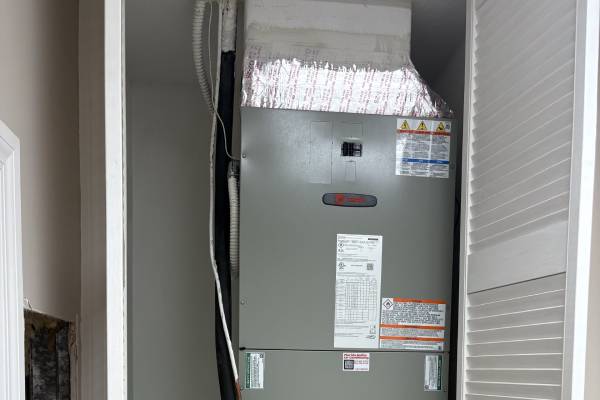
The ductwork deserves its own look before anything gets ordered, and on the older places out here it usually earns one. Additions get tied into systems never sized to feed them, runs get crushed or left leaking, and flex gets kinked around a corner it should never have taken. Put a properly sized new system on top of that and you have bought good equipment that still cannot reach the far bedroom. We measure what the existing ducts can actually move, then say plainly whether they need repair, sealing or partial replacement as part of the job. That conversation happens before the quote, not as a surprise on install day.
- Load calculation on the building in front of us
- Equipment matched to humidity hours, not just heat
- Ductwork and airflow checked before anything is ordered
- Permitting and inspection handled in Okeechobee County
- Old equipment hauled off, the site left clean
- Commissioning with measured numbers you get to see
- 100% satisfaction guarantee across the whole job
What the job looks like from your side
The walkthrough
We look at the building, the existing equipment and the ductwork, run the load calculation, and talk through what the house is doing wrong. If the ducts are the problem, you hear that before anyone mentions a new unit.
Options, in plain words
Two or three complete systems with the real operating differences explained. The person who quotes it answers for it on the same number, so nothing gets pushed. If a repair still beats a replacement, that gets said out loud.
Install day
Floors protected, the changeout done clean, a proper pad or stand where the location calls for one, line sets pressure tested, and the old equipment gone when we go.
Commissioning and close-out
Charge weighed and verified, airflow measured, static pressure checked, the drain tested, the thermostat set up, the inspection scheduled and the warranty registered.
Other Taylor Creek work
Every Taylor Creek job runs on the same terms: the 24/7 phone, the price said before the work, the guarantee behind it. The neighborhood overview is on the Taylor Creek page, related systems like mini-splits and system replacement have their own write-ups, finished work sits in the job gallery, and the wider map is on the service areas page.
Get a Straight PriceHumidity, storms and honest sizing
Three local realities shape an install along the creek. The first is the moisture load, the one people most often overlook. Cooling season opens in spring and does not really let go until late in the year, and through all of it the equipment fights water as much as heat. Long-running, well-matched systems win that fight. Oversized ones lose it while looking busy.
The second is weather. Summer afternoons here bring thunderstorms, and those mean power blinks and surges that are hard on compressors and control boards. Anchoring, electrical work and disconnect placement get done to current code and inspected, because a system installed on the cheap is the one that gives out during the first bad week.
The third is the buildings. A camp or a manufactured home has different duct runs and placement constraints than a site-built waterfront house. Anyone quoting a size over the phone without walking the property is guessing with your money, and out here the guess runs too big.
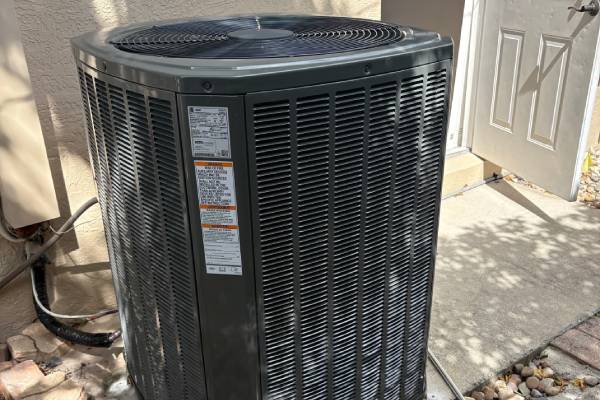
All of that adds up to a harder working life for equipment near the water. Condensate runs most of the year, so the drain line and pan are not afterthoughts: a clogged drain is one of the most common reasons a healthy system shuts down or quietly soaks something it should not. We slope and test the drain, and where the layout justifies it, set a safety switch so the system stops rather than leaks. Outdoor placement matters too, keeping the unit up out of standing water and clear on every side for airflow and for whoever services it later.
How the price is set
Replacement work comes back as two or three complete options: equipment, labor, permit and haul-away included, with the differences explained in words that mean something. The figure you approve is the figure on the invoice. If the honest recommendation is a repair rather than a new system, you hear that first, because a guarantee is only worth something if the advice under it is straight.
Who you are actually hiring
The person who specifies your system is answerable for it afterward, on the same number, any hour. Twenty years of hands-on trade experience, four years running this company on referrals rather than advertising, and a market small enough that every job gets talked about.
What we install and what we tell you
Rheem and Trane are the factory relationships, which means preferred access to units, parts and technical support when a Taylor Creek job needs them. On the service side brand loyalty means nothing: Carrier, Goodman, Lennox, Daikin, York, Ruud, Amana and the rest of what gets installed around here are everyday work, and other major brands get quoted on request. Central systems are the common answer but not the only one. A shop, a camp bunkhouse or a room the ductwork never reached properly is often a better fit for a mini-split, and refrigeration is its own line of work we handle in this area too.
Worth knowing before the visit
Three things make the walkthrough more useful. Have recent power bills within reach if cost is part of why you are replacing. List the rooms that never behave, because those say more about the ductwork than the equipment does. And think honestly about how long you plan to keep the property, since that answer changes which option is the smart buy rather than just the cheap one.
What Taylor Creek owners ask first
The questions that come up on nearly every installation call out here. If yours is not covered, call 561-339-5729 and ask, any hour, or send the details over and get a written answer back.
How do you decide what size system my place needs?
By running a load calculation on the actual building rather than a square footage rule of thumb. Windows, orientation, insulation, ceiling height and the ductwork all move the number. Out here it usually lands smaller than people expect, and that is the point: a right-sized system runs longer and pulls far more moisture out of the air.
Does the humidity off the lake really change the equipment choice?
It changes the priority. A system this close to the water spends most of its runtime removing moisture, so we weight the specification toward steady dehumidification instead of raw capacity. That is why a smaller, longer-running unit often feels better than a larger one at the identical thermostat setting.
Can you install in a manufactured home or a camp building?
Yes, and they get looked at on their own terms. Duct runs, envelope condition and placement constraints differ from a site-built house, so the walkthrough matters more, not less. Sometimes the right answer for an outbuilding is a mini-split rather than extending a central system never sized to reach it.
Do you pull the permit and handle the inspection?
Yes. Okeechobee County permitting and the inspection are part of the job and part of the price you approve. The system goes in to current code, including the anchoring and electrical work. A quote that leaves the permit out is not cheaper, it is a different job with your name on the risk.
What happens on the day of the install?
Floors get covered, the old equipment leaves with us, the new system goes in on a proper pad or stand, and the line set gets pressure tested. Then the part that matters most: charge verified, airflow measured, static pressure checked, drain tested and the thermostat set up. You see the readings before we leave.
Installs across the rest of Okeechobee County
Taylor Creek sits a few minutes east of the shop, so the truck is through here constantly. The same installation work runs across the county, and the overview lives on the Okeechobee County page. Not sure your address falls inside the map? Ask us directly for a straight answer.
Ready to talk about a new system?
A walkthrough, a real load calculation and options you can compare. Taylor Creek and all of Okeechobee County, any hour of the day.
Schedule a Visit