

What this work looks like done right
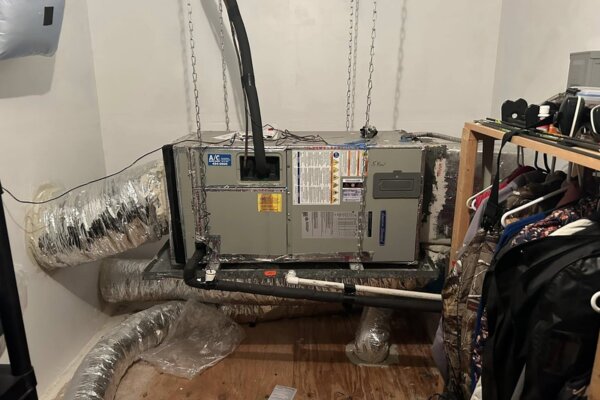
The furnace problem in Florida is neglect by design: the equipment sits dormant through a long, humid, dusty summer, then gets asked for full output on a forty-degree morning. Dust on the elements, corrosion on the connections and a blower that spent all summer working for the AC all show up at once.
The fall maintenance visit exists for exactly that morning. Elements get inspected and measured, sequencers cycled, electrical connections tightened and tested under load, airflow verified, and the full heating sequence proven end to end while the weather is still kind.
It pairs naturally with the fall AC check, one visit covering both seasons. Maintenance customers also get priority when the cold snap rush fills the schedule, which in a short heating season is worth more than the tune-up itself.
- Elements inspected and measured, not eyeballed
- Sequencers and relays cycled and verified
- Electrical connections tested under load
- Blower and airflow checked for heating duty
- Full heating sequence proven end to end
- Priority scheduling when cold snaps hit
Three steps, no surprises
Book it in the fall
Before the first cold front, while parts and schedule are easy.
Full heating checkout
Elements, controls, electrical, airflow and safeties, all verified by the numbers.
Plain-words report
What was found, what was fixed, and anything to watch this winter.
Related work we handle
Pricing works the same way on every service: you hear the number first, and the 100% satisfaction guarantee covers all of them. Start with the services page if you need something else, check the gallery for photos of completed work, and read the reviews if you want to hear it from customers.
Get a Straight PriceWhy this work is different in Florida
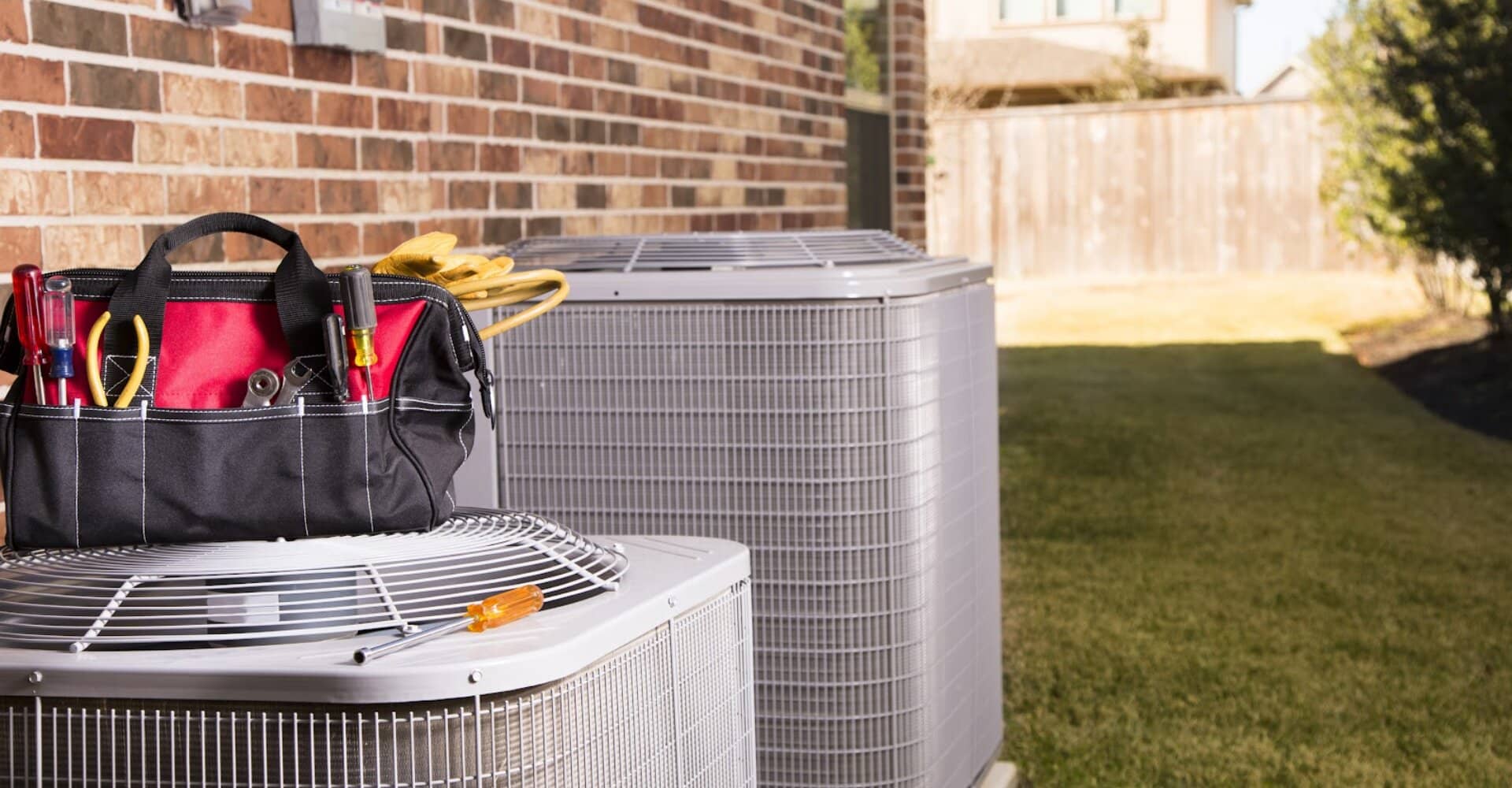
Where the outdoor unit sits matters more here than people think. A condenser baking on the west side of the house in full afternoon sun, boxed in by shrubs or a fence, is trying to dump heat into air that is already brutally hot, with nowhere for it to go. It runs longer, pulls more power and wears out sooner. Plants grow fast in this climate, so a unit that had plenty of breathing room on install day can be choked off within a couple of seasons. Keeping a couple of feet clear on every side, and trimming back whatever crowds the top, costs nothing and makes a real difference.
How pricing works
Replacement is where most pricing games get played in this trade, so it is where we keep things plainest. You get two or three options side by side: what each one costs to install, what it should cost to run through a long summer, and why one fits your house better than the others. Sometimes the right answer is the modest unit, and you will hear that. There is no salesman on commission shaping the menu and no pressure to sign tonight. Take the options home, compare them, call with questions. What you approve is what shows up on the invoice.
The owner-run difference
Here is what owner-run looks like in practice. Customers have written about Brian diagnosing their problem over the phone before he arrived, and about him working in the dark to get a family’s air running the same night. That kind of thing rarely happens at a company where the person on the phone has never seen the equipment. Here, the owner takes the call, does the work and answers for the result. Twenty years of experience back it up, and four years of referrals say it keeps working.
Brands, parts and honest recommendations
Being a Rheem and Trane partner brings factory support and quick access to their units and parts. It does not decide what goes in your house. If the system you already own is a Goodman or a Lennox with good years left, the advice is to repair it. If a modest unit fits the load better than a premium one, that is the one you hear about first. Customers have written that they were sold the less expensive option because it made more sense for them. That is how an equipment relationship ought to work.
Before the truck arrives
A word on what not to do while you wait. Do not keep resetting a breaker that trips again; that is the system telling you something. Do not chip ice off a frozen coil; switch the system to fan only and let it thaw. Do not pour anything down the drain line. What does help: swapping out a filled-up filter, clearing room around the equipment, and noting what you saw and heard. Those few steps keep a small problem from growing and give the technician a clean start.
Questions we hear about this
Straight answers about furnace maintenance from the crew that does it every week. If your question is not here, call 561-339-5729 for a direct answer, day or night.
Does an electric furnace really need maintenance?
Less than gas equipment, but not zero. Elements burn out, sequencers stick, and connections loosen under heavy amperage. Ten minutes of measurement in November beats a cold house in January.
What does the visit include?
Inspection and measurement of the elements, sequencer and relay operation, electrical tightening and testing, blower and filter check, thermostat staging, and a full heating run with temperature rise verified.
When is the right time to schedule?
October or November, before the first front. It pairs with the fall AC visit, so most customers cover both in one appointment.
Why did my heat fail if it worked last year?
Because it worked last year and then sat for ten months. Dormancy is hard on equipment: corrosion, dust and insect nests do their work in the off-season. That is exactly what the fall check catches.
Do maintenance customers really get priority?
Yes. When the first cold snap floods the phone, the people who maintain their equipment move first. Same policy as summer.
Ready when you are
Furnace Maintenance handled by an owner-run crew that answers its phone. Okeechobee to the coast, 24 hours a day.
Schedule a Visit